How Conflict in Iran Is Reshaping Global Trade
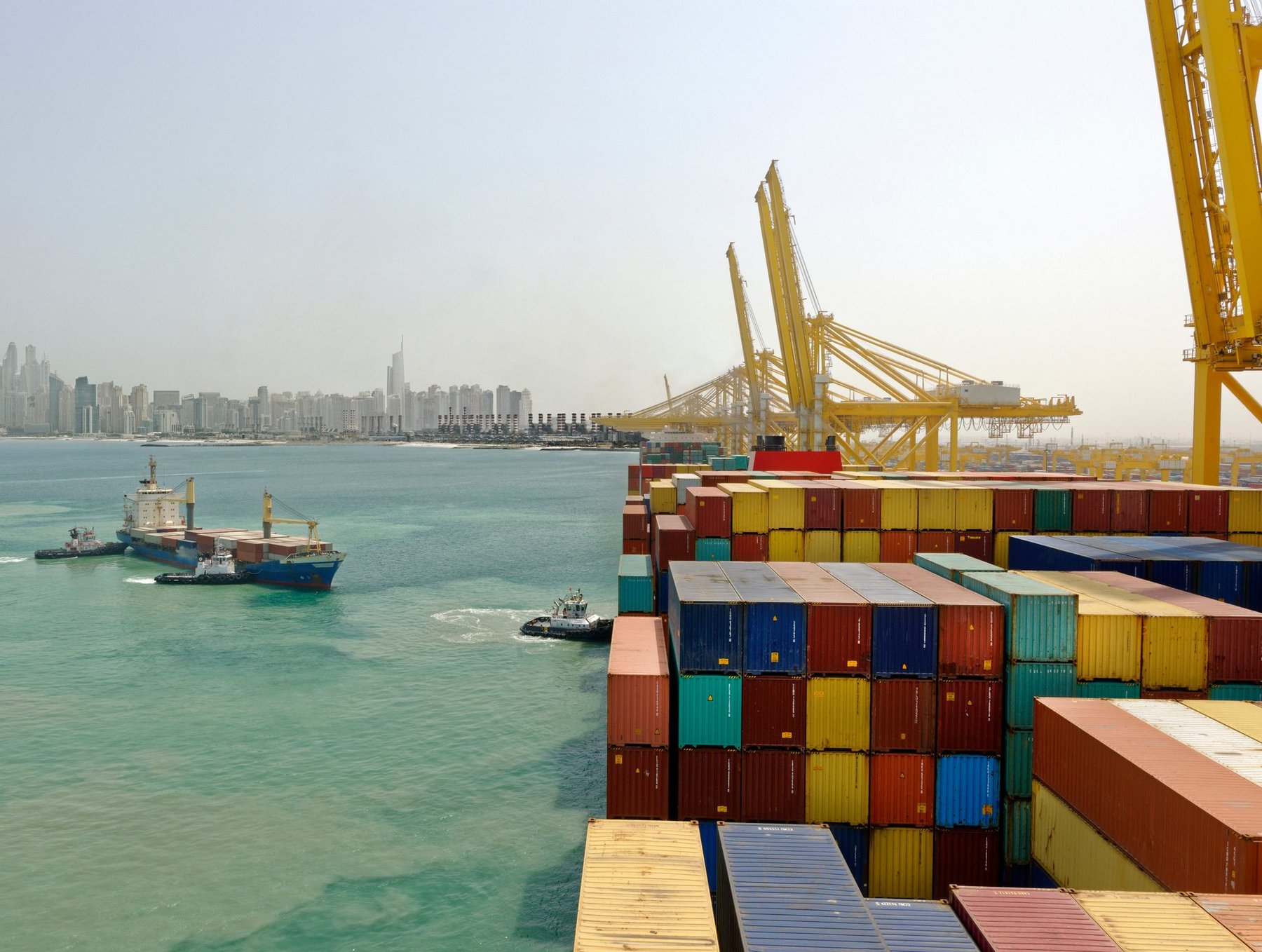
On February 28, 2026, a conflict between the United States, Israel, and Iran arose after weeks of building tension. Since then, both parties have carried out strikes targeting military assets. This conflict has yet to be resolved, and its continuation is affecting global trade.
The Middle East is a crucial location for many shipping routes and a key hub for energy production. Conflict within this area disrupts supply chains, energy markets, oil markets, and trade overall, negatively affecting the global economy by reshaping trade patterns.
Specifically, the Strait of Hormuz in Iran is a crucial shipping route, with around 25% of the world’s oil and 20% of the world’s natural gas passing through it daily. Additionally, around 33% of the world’s fertilizer trade moves through the strait. Due to the conflict, on March 4, 2026, Iran closed off the Strait of Hormuz, attacking ships that attempted to enter. This has forced countries to look for alternative routes to ship products.
Some of the more common alternate trade routes that countries have used since the closure of Hormuz include South Africa’s Cape of Good Hope, Saudi Arabia’s East-West pipeline at the Red Sea port of Yanbu, and the United Arab Emirates pipeline at Fujairah. This increased usage has been reflected in the number of barrels passing through daily. In recent weeks, volumes at these routes have risen to around 2.5 million barrels daily, compared to a historically average of around 750,000.
While these routes still allow countries to obtain oil, natural gas, and fertilizers, they require thousands of additional miles of travel, increasing voyage times. As a result, longer travel times have led to increased costs and product shortages.
In addition to the closure of Hormuz, strikes by Israel, the United States, and Iran throughout the conflict have targeted Middle East energy infrastructure. These strikes have damaged oil refineries and gas fields, many of which will take years to repair.
The combination of the closing of Hormuz and damage to infrastructure has caused shortages of energy, oil, natural gas, and food supplies. As of March 21, 2026, there has been approximately 400 million fewer barrels of oil and gas available due to these distributions. As a result, prices have risen by around 50% for oil and natural gas and around 35% for fertilizers.
These shortages and rising prices are driving inflation, significantly affecting both businesses and consumers. Businesses have been forced to conserve supplies and raise prices, while consumers must purchase essential goods at higher costs. These goods are essential for daily life, including fuel for transportation, energy to power homes, and food. As a result, consumers are spending more to meet their basic needs.
This conflict between the United States and Iran demonstrates how disruptions in key regions can reshape trade relations. Damage to energy infrastructure and the closure of shipping routes have limited resources, increased prices, and created economic hardship. Until this conflict ends, the global economy and everyday life will continue to be affected.
Article Written by Marissa Moreno
Sources:
Alon Bernstein et al., Iran threatens to completely close Strait of Hormuz and hit power plants following Trump’s ultimatum, PBS NEWS (Mar. 22, 2026), available at https://www.pbs.org/newshour/world/iran-threatens-to-completely-close-strait-of-hormuz-and-hit-power-plants-following-trumps-ultimatum (last visited Mar. 24, 2026).
How the Iran Conflict Is Disrupting Global Supply Chains, OXFORD COLL. OF PROCUREMENT & SUPPLY, available at https://www.oxfordcollegeofprocurementandsupply.com/how-the-iran-conflict-is-disrupting-global-supply-chains/ (last visited Mar. 24, 2026).
Center for Preventive Action, Iran’s War With Israel and the United States, GLOB. CONFLICT TRACKER (Mar. 13, 2026), available at https://www.cfr.org/global-conflict-tracker/conflict/confrontation-between-united-states-and-iran (last visited Mar. 24, 2026).
Iran Conflict and the Strait of Hormuz: Impacts on Oil, Gas, and Other Commodities, CONGRESS.GOV (Mar. 11, 2026), available at https://www.congress.gov/crs-product/R45281 (last visited Mar. 24, 2026).
Lutz Kilian et al., What the closure of the Strait of Hormuz means for the global economy, FED. RESERVE BANK OF DALLAS (Mar. 20, 2026), available at https://www.dallasfed.org/research/economics/2026/0320 (last visited Mar. 24, 2026).
Victor Ordonez, With the Strait of Hormuz effectively closed, alternative routes pose little help, ABCNEWS (Mar. 20, 2026), available at https://abcnews.com/International/strait-hormuz-effectively-closed-alternative-routes-pose/story?id=131221142 (last visited Mar. 24, 2026).
Strait of Hormuz Closure 2026: What It Means for Your Supply Chain and Shipping Routes, CARRA GLOBE (Mar. 10, 2026), available at https://carraglobe.com/strait-of-hormuz-closure-2026/ (last visited Mar. 24, 2026).
Alex Lawler & Arathy Somasekhar, Iran war’s energy impact forces world to pay up, cut consumption, REUTERS (Mar. 21, 2026), available at https://www.reuters.com/business/energy/iran-wars-energy-impact-forces-world-pay-up-cut-consumption-2026-03-21/ (last visited Mar. 24, 2026).
You May Also Like