Lighter Carts and Shrinking Profits: The Impact of GLP-1s on the Western Food Industry
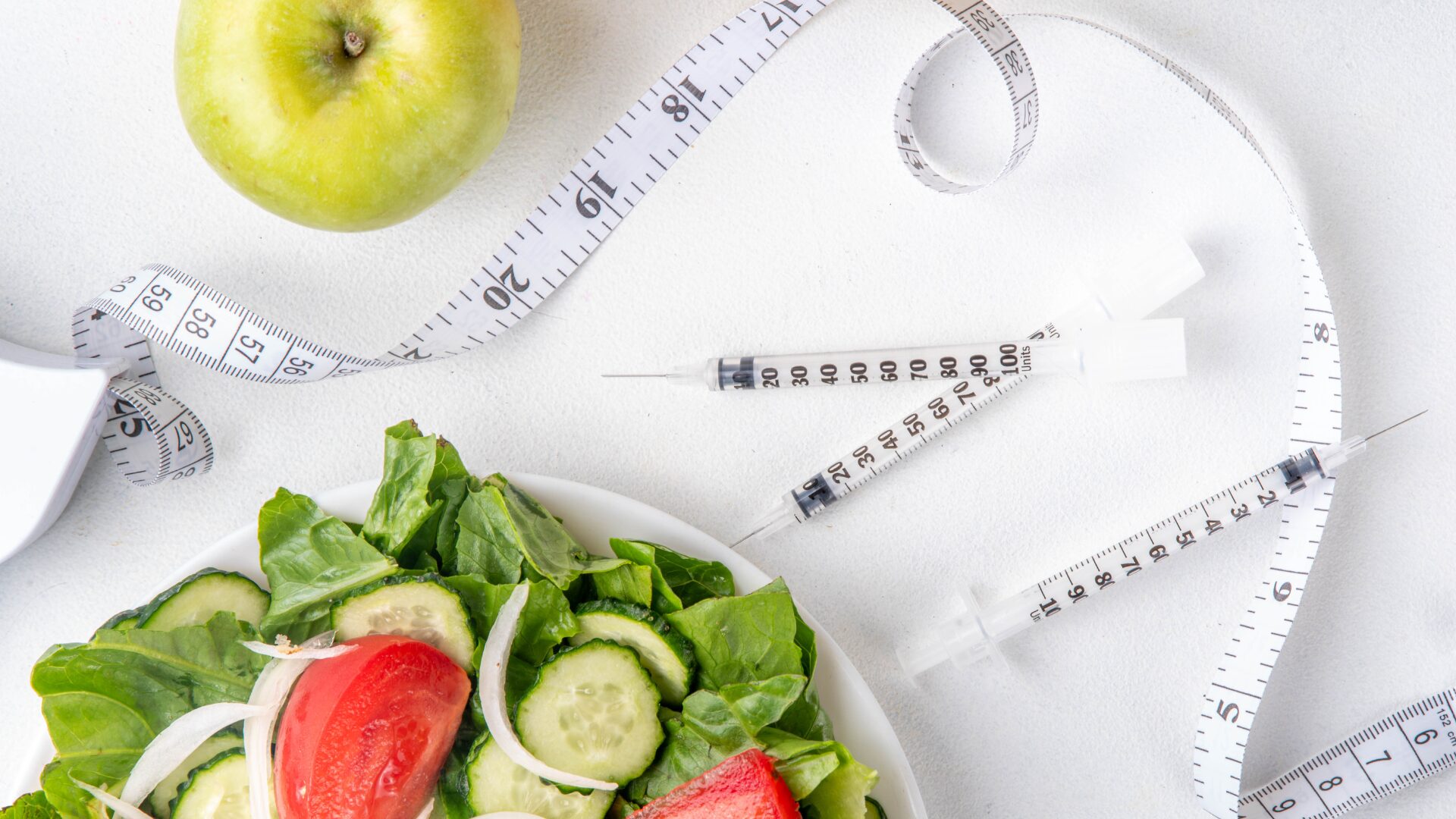
Since the release of GLP-1s on the public market, citizens from countries across the globe have flocked to what some medical professionals have called this new generation’s miracle drug. According to the Indiana University School of Medicine, prior research suggests that, in the United States alone, the use of GLP-1s have increased by fortyfold between 2017 and 2021. While it is true that the United States has the largest GLP-1 market in the world, data from the last few years shows that GLP-1s have become popular in other markets such as the United Kingdom, who is currently leading the European market with their rise in NHS Ozempic Prescriptions.
Looking at the effect of the drug itself, we have seen direct impacts on the patients themselves. As of 2025, The World Health Organization has come out with global guidelines recommending the use of the drug for adults living with obesity as a tool to be used during their long-term treatment. On an individual country scale, we have seen the recommended use of this drug expand much further than its global recommended use. Over the past couple of years, subsequent research has shown that GLP-1 use can be used to decrease alcohol abuse, alleviate binge-eating disorder symptoms, and reduce heart disease and heart attacks.
However, as we turn to the core focus of this blog post, we see that recent trends have shown indirect impacts on more than just patients but industries at large. In this blog, we will discuss how food industries in different countries have been impacted by GLP-1 use.
Turning first to the United States, we have seen the start of a prominent shift in consumer relationships with the food industry. The aforementioned drastic increase in GLP-1 use comes as a result of increased accessibility through recent years of FDA policy expansion regarding permissibility of compounding pharmacies. With growing accessibility, households with at least one GLP-1 user have experienced a 5.5% decrease in their grocery spending within six months of adoption. For higher-income households specifically, individuals experience even greater impact with grocery spending being annually decreased by 8.6%. However, it appears that the snack industry has been hit the hardest by the adoption of GLP-1s as these same households have experienced a 6.7% to 11.1% reduction in purchasing ultra-processed products like chips, savory snacks, sweets, sides, cookies, etc.
With such reductions, projections show that the industry is expected to be hit with as much as 3% reduction in sales. This 3% reduction is calculated to have a total possible impact of up to $12 billion dollars. More specifically, salty and sweet snack food manufacturers can expect a profit impact of up to $7 billion and $5 billion dollars respectively.
Hopping across the pond, we see similar impacts but at a much smaller scale. Here, Europe currently operates a smaller but steadily growing 12% of the world market share – a much smaller share in comparison to the 70% North American market share. Despite currently holding a smaller share, this steady increase has been paired with government support, with the most recent support consisting of a program where general practitioners receive monetary bonuses from the government for prescribing a GLP-1 treatment plan for weight loss patients.
As a result of popularity and support, research suggests that in the past year alone GLP-1 households doubled from being 2.3% to 4.1% of the population. With such increase in users, the United Kingdom has experienced similar impacts to general spending[1]. In the UK, GLP-1 households have reduced their grocery bills by 2.2ppts. Looking at the categories of consumption themselves, 64% experience purchasing less snacks, 63% are buying less “indulgent” treats like pizza, and even 74% have decreased their purchasing of take-out meals. While scholarship regarding financial impacts to specific industries is still being developed, we are nevertheless seeing individual manufacturers in the UK reacting to potential impacts. Here, bakery companies such as Grupo Bimbo have begun reformulation to focus on sugar reduction, ice cream companies like Magnum Ice Cream company have begun detecting a shift in consumer preference towards fewer, more premium, treats, and even some sugar traders have reduced their sugar consumption figures for the United Kingdom.
Right now, the momentum behind GLP-1s is real. We are already seeing consistent drops in snack purchases across the US and UK, yet, a policy shift in either country could change everything. If regulations tighten up, like the FDA pulling back on compounding pharmacies or the NHS changing its tune, lack of accessibility could halt the current momentum impacting the food industry. Depending on how policy is handled moving forward, it could directly alter the impacts themselves by either reversing the grocery spending declines or pushing them even further. So, while food companies across the globe may need to start preparing for the permanency of GLP-1 impacts, it may be in their best interest to pay close attention to the policy debates and decisions surrounding the drug as well.
Article Written by Edyth Orner
Sources:
Pierce Logan, On the Increase in Use of GLP-1s, Ind. Univ. Sch. Med. Bioethics Blog (June 27, 2024), available at: https://medicine.iu.edu/blogs/bioethics/on-the-increase-in-use-of-glp-1s (last visited Apr. 6, 2026).
John Evan, Global Demand for Semaglutide: Which Countries Are Driving Sales?, Pharma Bus. Hub (last visited Apr. 6, 2026), available at: https://pharmabusinesshub.com/global-demand-for-semaglutide/ (last visited Apr. 6, 2026).
GLP-1 Medications and the Future of Nutrition, WSRO (Mar. 2026), available at: https://wsro.org/system/files/2026-03/WSRO%20GLP-1%20medications%20and%20the%20future%20of%20nutrition.pdf (last visited Apr. 6, 2026).
Reza Eshraghi et al., Effects of Glucagon‑Like Peptide‑1 Receptor Agonists on Alcohol Consumption: A Systematic Review and Meta‑Analysis, The Lancet (Nov. 14, 2025) available at: https://pmc.ncbi.nlm.nih.gov/articles/PMC12663662/ (last visited Apr. 6, 2026).
Isabel Krug et al., Beyond Weight Loss: GLP‑1 Usage and Appetite Regulation in the Context of Eating Disorders and Psychosocial Processes, 17 Nutrients 3735, 5 (2025), available at: https://www.mdpi.com/2072-6643/17/23/3735 (last visited Apr. 6, 2026).
How Do GLP‑1 Medications Impact Heart Health?, Minneapolis Heart Institute Foundation (Dec. 18, 2025), available at: https://mplsheart.org/news/how-do-glp-1-medications-impact-heart-health (last visited Apr. 6, 2026).
Jarred Dudding, GLP-1 Receptor Agonists: A Changing Landscape – FDA Rescinds Shortage Designation, 122 Mo. Med. 252 (July/Aug. 2025), https://pmc.ncbi.nlm.nih.gov/articles/PMC12331335/pdf/ms122_p0252.pdf (last visited Apr. 6, 2026).
Lourival Monaco, GLP‑1 Adoption and Its Impact on Food Demand, Purdue Univ. Agribus. (Mar. 31, 2025), available at: https://agribusiness.purdue.edu/2025/03/31/glp-1-adoption-and-its-impact-on-food-demand/ (last visited Apr. 6, 2026).
Don Johnson, Use of GLP‑1 Drugs by Dieters May Impact Snack Brands, EY (Feb. 7, 2025), https://www.ey.com/en_us/insights/strategy/use-of-glp-1-drugs-by-dieters-may-impact-snack-brands (last visited Apr. 6, 2026).
Nick Triggle, GPs to Get £3,000 Bonus to Maximise Weight Loss Drug Prescriptions, BBC News (Feb. 23, 2026), https://www.bbc.com/news/articles/cddn399l4r9o (last visited Apr. 6, 2026).
Megan Tatum, Exclusive Data: GLP-1’s Impact on UK Food and Drink Consumption, The Grocer (June 13, 2025), https://www.thegrocer.co.uk/analysis-and-features/exclusive-data-glp-1s-impact-on-uk-food-and-drink-consumption/705652.article (last visited Apr. 6, 2026).
Thijs Geijer & Diederik Stadig, Transformative or Overhyped? The Impact of Weight‑Loss Drugs on European Food Demand, ING Think (Mar. 20, 2026), available at: https://think.ing.com/articles/transformative-or-overhyped-the-impact-of-weight-loss-drugs-on-european-food-demand1/ (last visited Apr. 6, 2026).
You May Also Like